Suburbs Built for Community
September 11, 2026
September 11, 2026
While driving home from an event in Hockley, longtime developer Harry Masterson spotted a young boy riding a bicycle with a fishing rod and tackle box in tow. The simple scene reminded him of something straight out of an old-fashioned family sitcom—and reinforced his belief that people still want neighborhoods where community, connection, and outdoor living are part of everyday life.
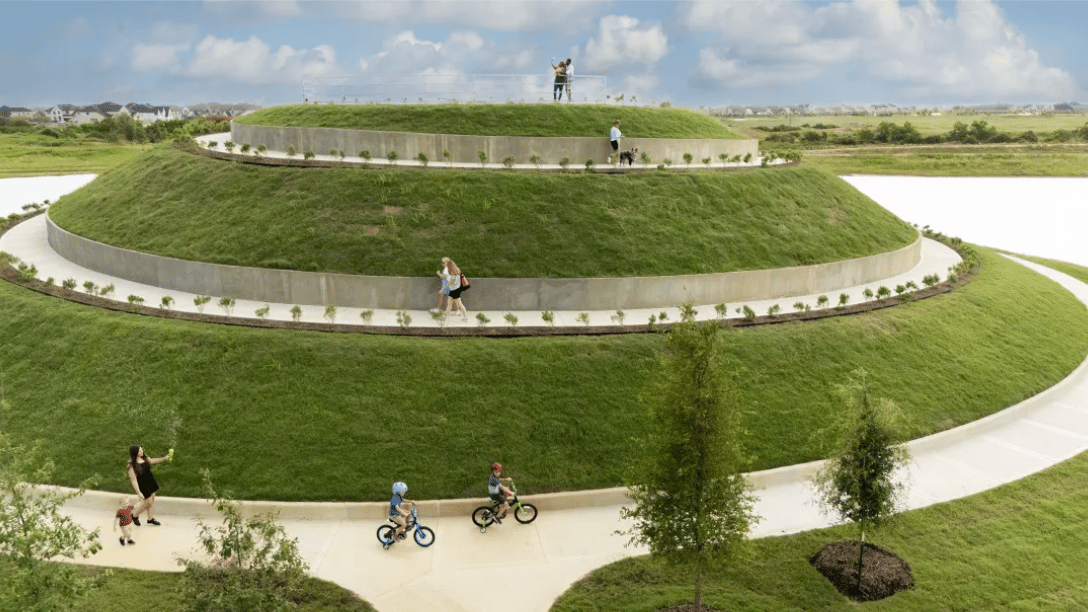
Masterson, managing director of Ember Real Estate Investment and Development, and his team began construction on the first homes at Grand Prairie in Hockley in 2024. The far-west Harris County community has already grown to more than 1,000 homes and has become one of the Houston area’s strongest-selling residential developments.
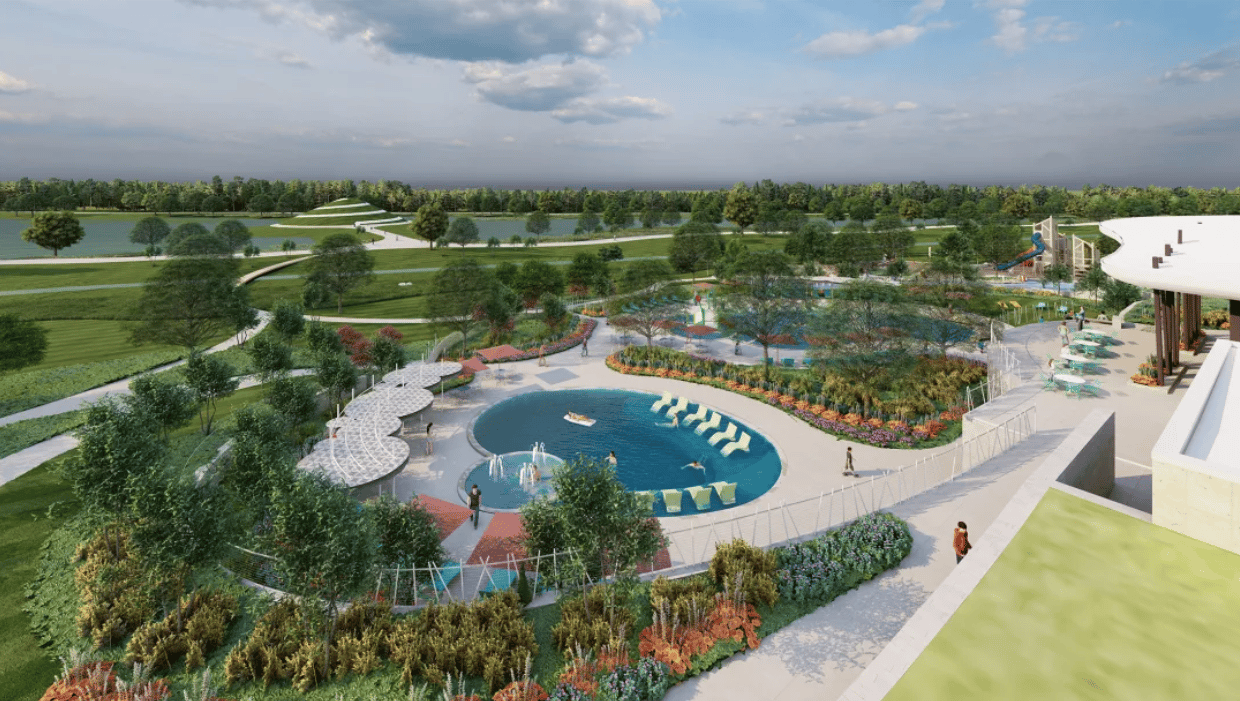
Designed around a strong sense of community and a connection to nature, Grand Prairie includes miles of walking trails and a 70-acre pond that also serves as part of the area's flood-mitigation efforts. An amenities center is also planned, creating a central gathering space overlooking swimming pools, trails, and the lake. Its elevated location will provide residents with expansive views of the Katy prairie and spectacular sunsets.
Grand Prairie isn't the only community embracing this style of development. Similar ideas are taking shape throughout Houston's growing suburban areas.
In Fort Bend County, construction began on Austin Point in March 2025. Developed by Signorelli Company, the community is incorporating more modestly sized homes designed around the idea of being "right-sized," offering practical living spaces without excessive square footage.
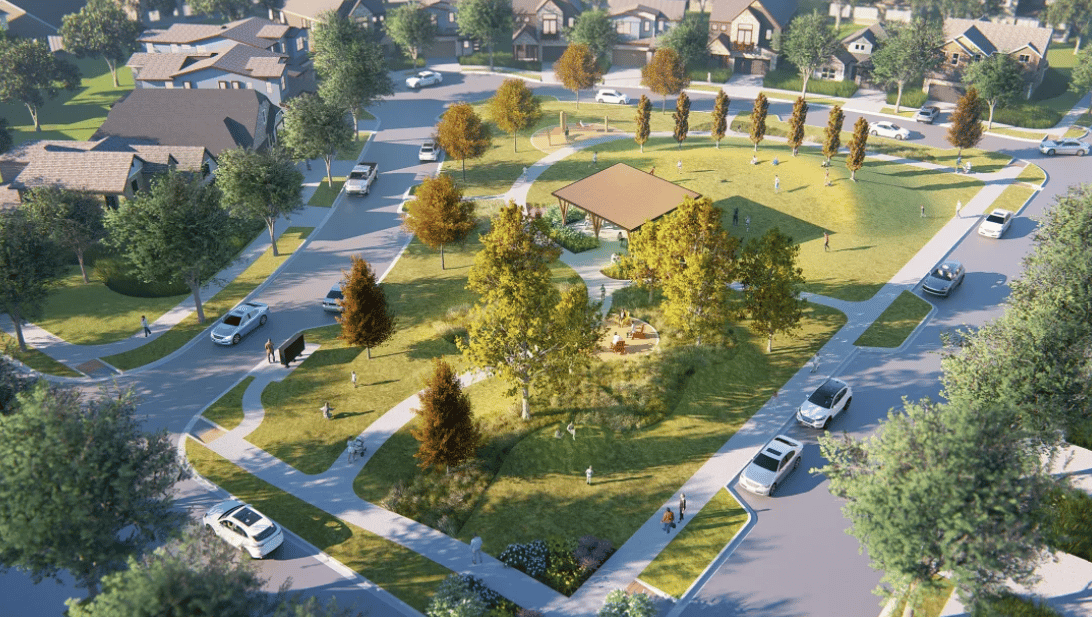
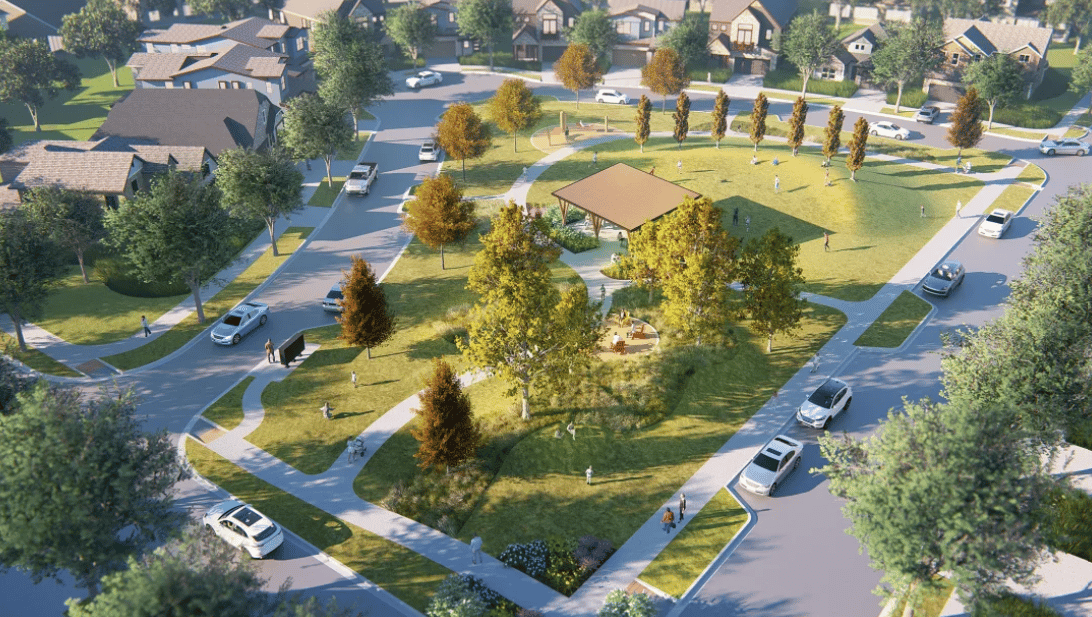
Neighborhood design is also shifting toward creating more opportunities for residents to interact. Narrower streets encourage drivers to slow down, while pocket parks and shared green spaces create natural gathering points.
Todd Hamilton, director of development for Austin Point, said many homes are being positioned around communal green spaces, with more than half of the homes under construction featuring front porches. The goal isn't necessarily to create flashy developments, but to give neighborhoods a distinct identity that residents can feel connected to.
That philosophy is increasingly shaping suburban development.
The pandemic dramatically changed how many people think about work, commuting, and quality of life. As employers continued allowing remote and hybrid work arrangements, living farther from Houston's urban core became more practical for many households.
Residents who might once have avoided longer commutes are now more willing to live in suburban communities if they only need to travel into Downtown Houston or the Energy Corridor a few days a week.
Transportation improvements have also made suburban living more convenient. Major roadways, including the Grand Parkway and improved sections of Highway 290, have helped shorten travel times between growing communities and employment centers.
But convenience isn't the only reason people are moving outward.
Amenities have become an increasingly important part of modern suburban development. Walking and biking trails are now common features in master-planned communities, while lakes, ponds, and other water features provide residents with a stronger connection to nature.
For many families, these amenities offer something beyond recreation. They create places where neighbors can walk, meet, socialize, and build relationships.
The Houston metropolitan area continues to expand in virtually every direction, with Montgomery and Fort Bend counties among the fastest-growing areas. The region's suburban growth is being fueled largely by families and multigenerational households seeking more space and a different lifestyle.
Dan Potter, director of the Houston Population Research Center at Rice University's Kinder Institute for Urban Research, said suburban growth is being driven by both factors pushing residents away from the city and attractions pulling them toward surrounding communities.
Concerns about congestion and crime can encourage people to leave Houston, while affordability, schools, and perceptions of safety can draw them toward suburban neighborhoods.
There is also a growing desire for the type of neighborhood environment many older generations remember—places where children could ride their bikes, play outside, and interact with neighbors while parents felt connected to the surrounding community.
Houston Association of Realtors vice chair and Compass broker Kat Robinson says developers are responding to that desire by creating neighborhoods where residents can gather, socialize, and develop stronger connections with the people around them.
The idea extends beyond traditional parks and playgrounds.
Johnson Development's Harvest Green, for example, takes the concept a step further with an "agrihood" model. The community features a 12-acre Village Farm where residents can work together to grow produce and care for chickens and goats.
Cross Creek Ranch in Fulshear, which began development in the early 2000s, offers another example of how nature and community can attract buyers to areas that once seemed too far from Houston.
Robinson recalls that there were doubts about whether buyers would venture that far west. Instead, the community's walking trails, prairie landscapes, and natural surroundings became part of its appeal.
The success of these developments suggests that today's suburban homebuyer may be looking for more than a larger house or a shorter price tag. They are increasingly seeking a lifestyle—one built around nature, neighborhood connections, outdoor activities, and a genuine sense of belonging.
For Houston's rapidly expanding suburbs, that could define the next generation of community development.
Stay up to date on the latest real estate trends.
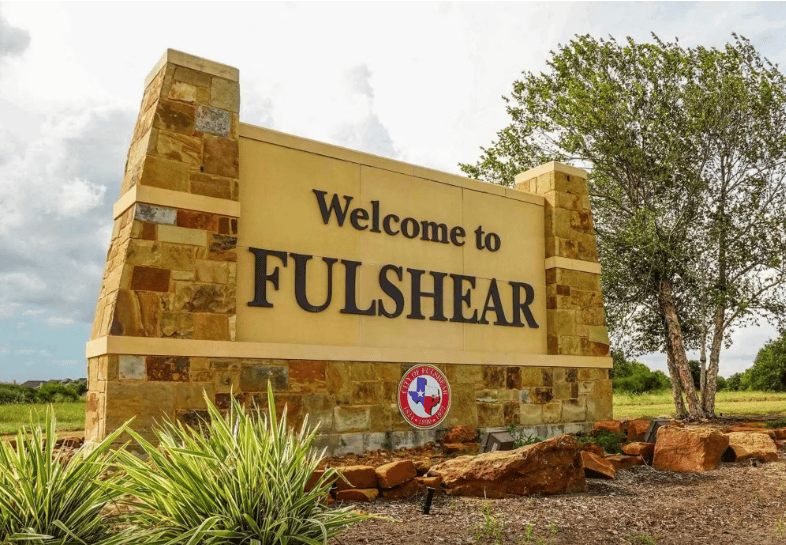
Fulshear ranks among America’s five fastest-growing neighborhoods, with Katy and Richmond also making the list.
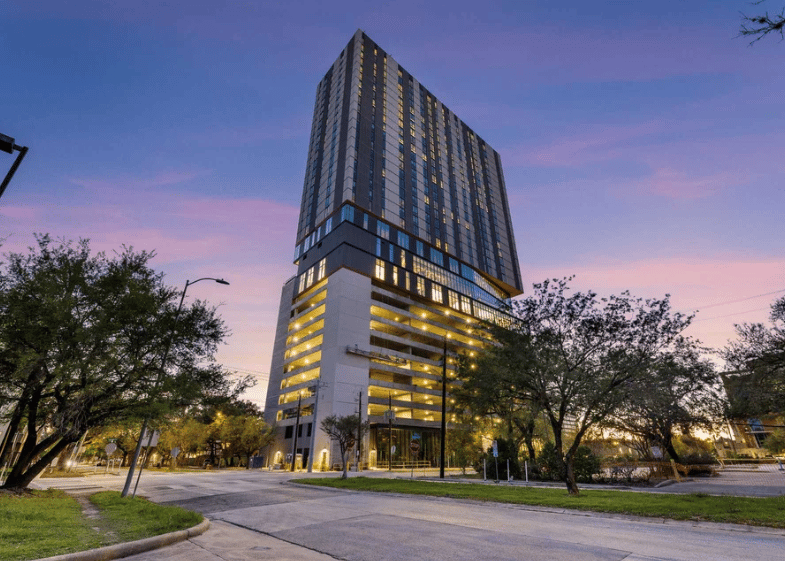
A new 33-story high-rise brings luxury living and resort-style amenities to Houston’s Museum District.
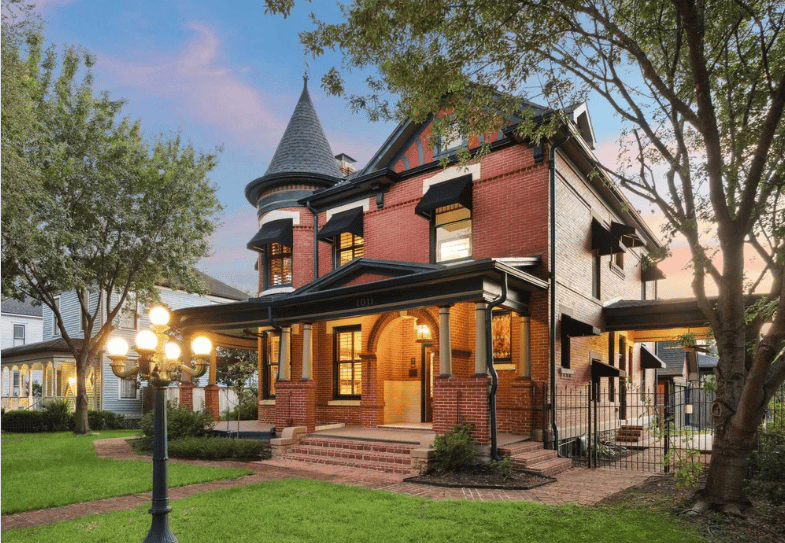
A historic Heights mansion is transformed into a luxurious event venue filled with timeless charm and modern elegance.
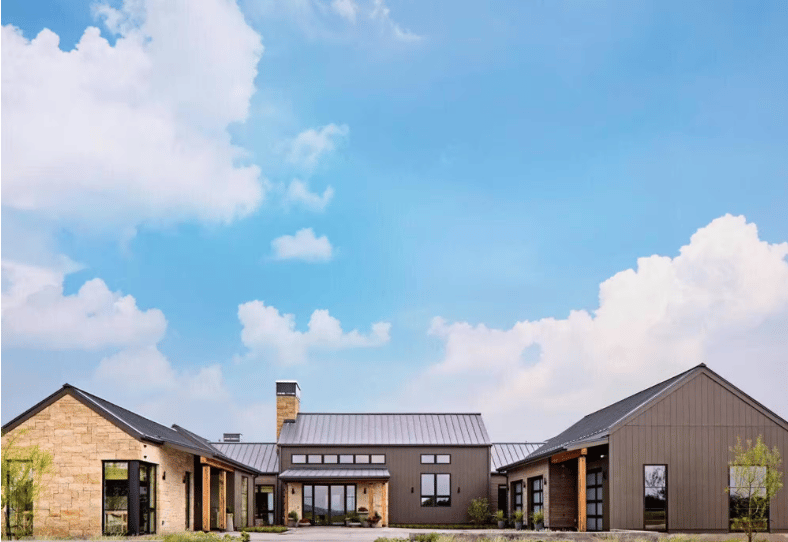
Southern Living brings fresh Texas design inspiration to Fredericksburg.
A 3,500-home active adult community is bringing resort-style living to Galveston Bay.
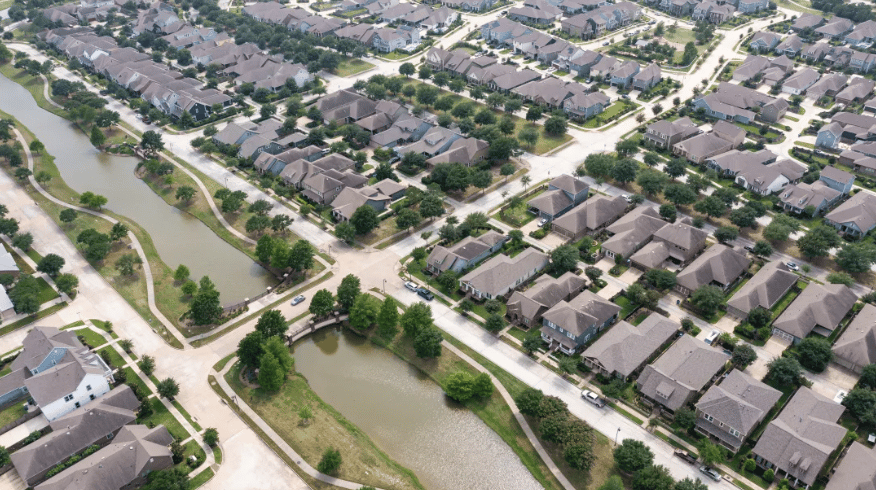
How this Cypress master-planned community is redefining modern suburban living.
The story behind the city’s signature detached townhome boom.
Today’s dressing rooms are blending storage, style, and comfort into one unforgettable space.
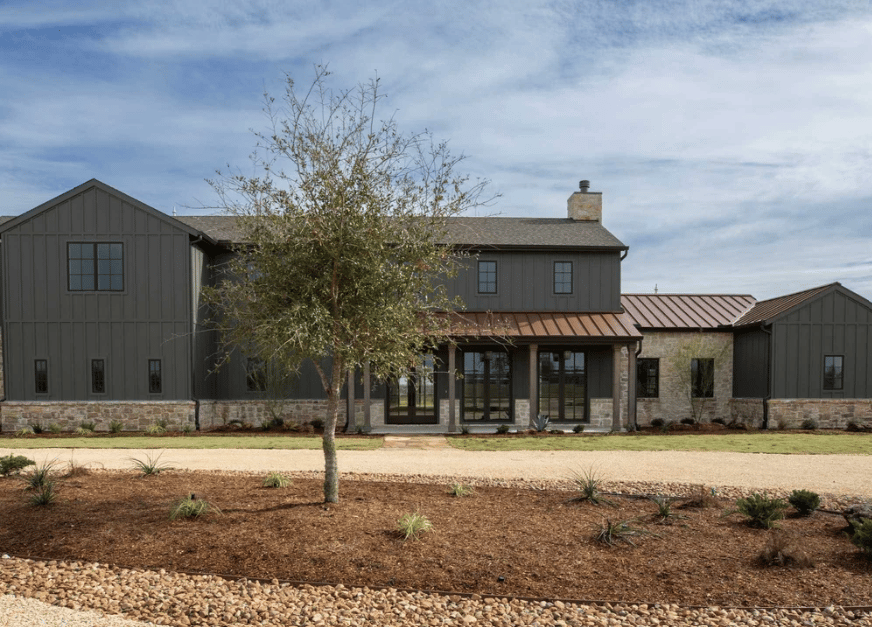
Historic land, modern homes, and wide-open Texas living.
As part of CB&A, Real Estate Agent, the Hurley Homes Realty Group consists of dedicated full-time agents assisting families with buying, selling, renting, and investing in Houston properties. Whether you're considering a home purchase or sale in Houston, I'm here to talk! Connect with me today for a personalized consultation.