Stages of Change
September 29, 2025
September 29, 2025
Before it was a glitzy Theater District with thousands of seats and Tony Award–winning companies, Houston’s performing arts scene started with dirt roads, big dreams, and one woman’s vision.
Today, the city boasts one of the largest performing arts footprints in the country—with nine major organizations, over 10,000 seats, and an entire downtown district dedicated to the arts. But the story of how it got there is a journey through immigrant influences, oil booms (and busts), grassroots movements, and boundary-pushing design.
So how did Houston grow from makeshift opera halls to a full-blown arts capital?
Before Houston had a church or even a jail, it had theaters. In the city’s earliest days, opera houses and stage theaters popped up along unpaved streets, driven by the cultural traditions of European immigrants. Entertainment was both a necessity and an identity.
But things really started to shift in the 20th century—especially with the arrival of Ima Hogg.
Known as Houston’s “First Lady of the Arts,” Ima Hogg didn’t just study music in New York and Berlin—she came back to Houston and rewrote the cultural script.
In 1913, she helped launch what would become the Houston Symphony, debuting at the Majestic Theatre with a now-iconic pitch to Houstonians:
“Your first opportunity of expressing your wish for this new acquisition to Houston’s greatness. Express yourself by your presence.”
People showed up. And they kept showing up.
What began as a single concert quickly evolved into a permanent symphony, with Hogg devoting her life to making it thrive.
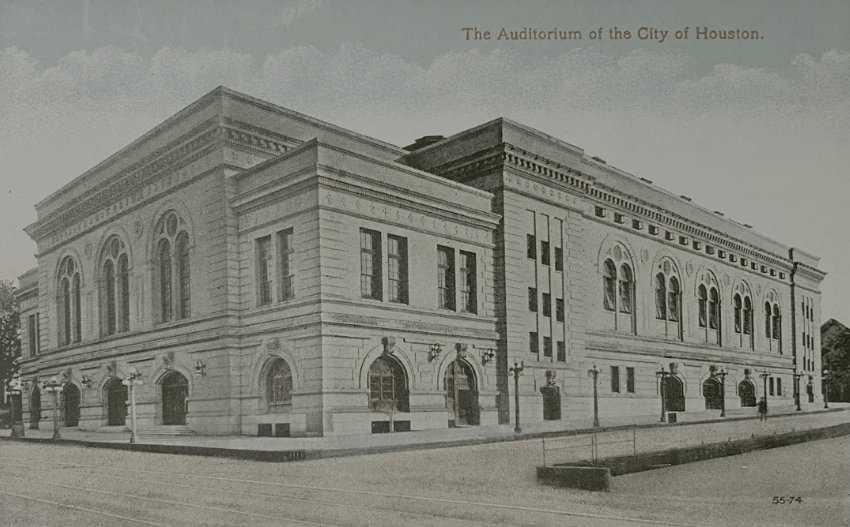
Before there were dedicated venues, musicians often played in movie theaters—until the City Auditorium became a central hub for culture and community. On any given night, you might catch the Houston Symphony… or a wrestling match. Yes, really.
Elvis Presley even performed there—twice.
The City Auditorium was more than a venue—it was a cultural crossroads where highbrow met down-home.
In the late 1930s, Houston expanded its entertainment infrastructure with the Music Hall and Sam Houston Coliseum—two very different venues right next to each other.
Broadway musicals played in the refined front theater, while the Coliseum hosted everything from rodeos to The Beatles. A moving sidewalk even transported fans over Buffalo Bayou to the shows.
It was Houston’s first big step toward becoming a true performing arts city.
In 1947, high school drama teacher Nina Vance wanted to create something new: a permanent repertory acting company. So she did what Houstonians do best—she got to work.
She mailed out postcards, held a meeting in a dance studio accessed via an alley, and launched what became the Alley Theatre.
By 1968, the Alley had a new brutalist home downtown, complete with a two-stage layout that’s now a Houston signature: one proscenium stage up top, one theater-in-the-round below. Its success paved the way for major venues like the Wortham Center and Hobby Center.
The 1966 opening of Jones Hall, funded by the Jesse H. Jones family, marked a turning point. With a flexible ceiling, interchangeable stage floors, and space for over 3,000 people, it became home to the Symphony, Ballet, Opera, and more.
Then came the Wortham Theater Center in 1987—built during a time of economic uncertainty, but made possible by a community that refused to let the arts fade. Featuring two grand theaters and skybridges connecting it to the city’s underground parking and venues, Wortham helped solidify what we now know as Houston’s Theater District.
In 2002, the Hobby Center joined the scene, built on the site of the old Music Hall and Coliseum. Today, it’s a modern-day showstopper with twinkling LED ceilings and skyline views that are practically begging for a selfie.
Houston’s performing arts legacy is more than a collection of buildings or a calendar of shows—it’s a reflection of the city itself: bold, diverse, and always evolving.
From a young woman’s dream of a symphony to a theater district that spans blocks, Houston’s cultural rise wasn’t accidental. It was built—brick by brick, curtain by curtain—by people who believed art should be part of everyday life.
And in 2025, it still is.
Stay up to date on the latest real estate trends.
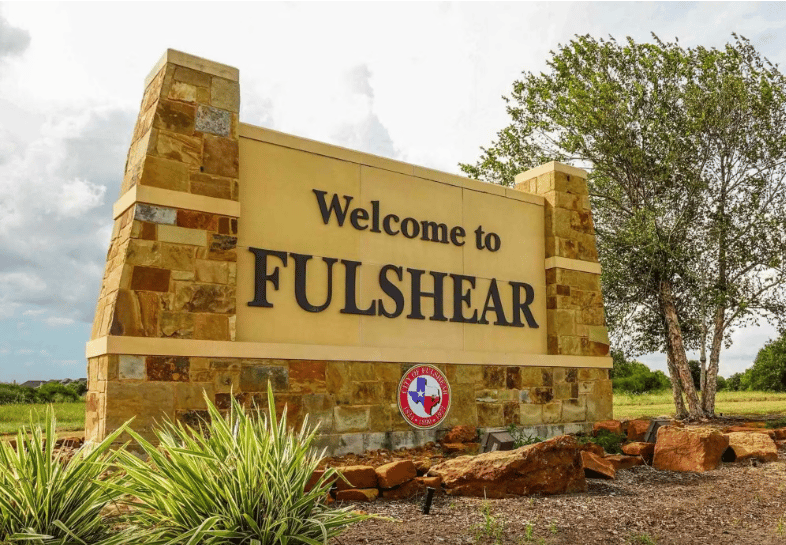
Fulshear ranks among America’s five fastest-growing neighborhoods, with Katy and Richmond also making the list.
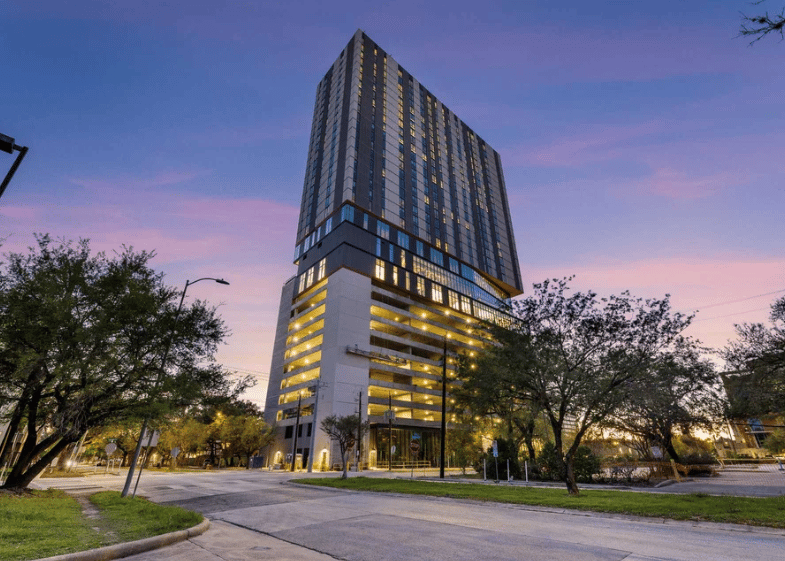
A new 33-story high-rise brings luxury living and resort-style amenities to Houston’s Museum District.
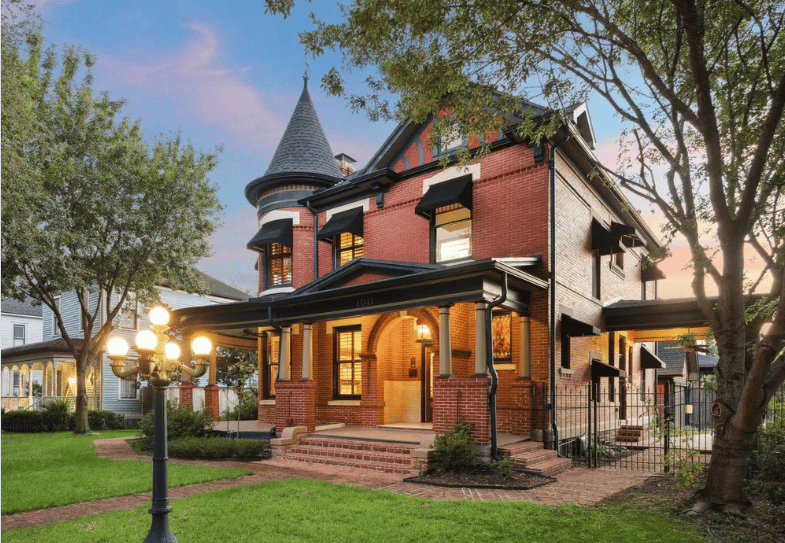
A historic Heights mansion is transformed into a luxurious event venue filled with timeless charm and modern elegance.
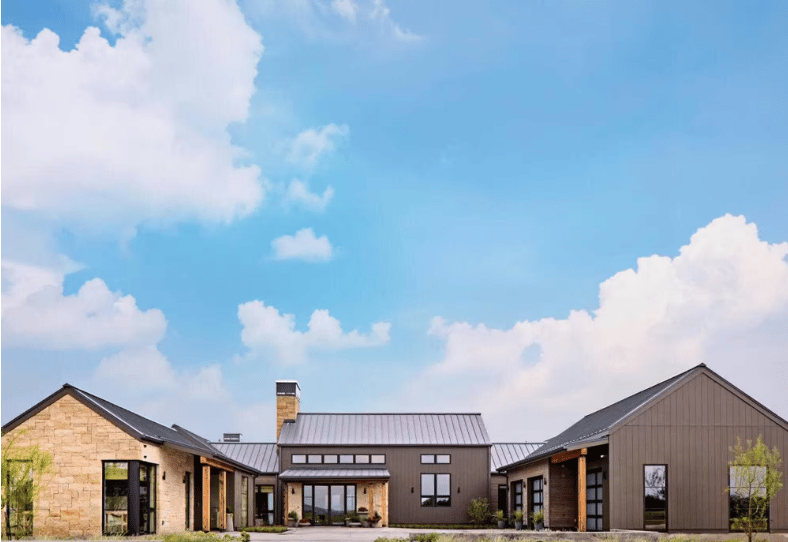
Southern Living brings fresh Texas design inspiration to Fredericksburg.

A 3,500-home active adult community is bringing resort-style living to Galveston Bay.
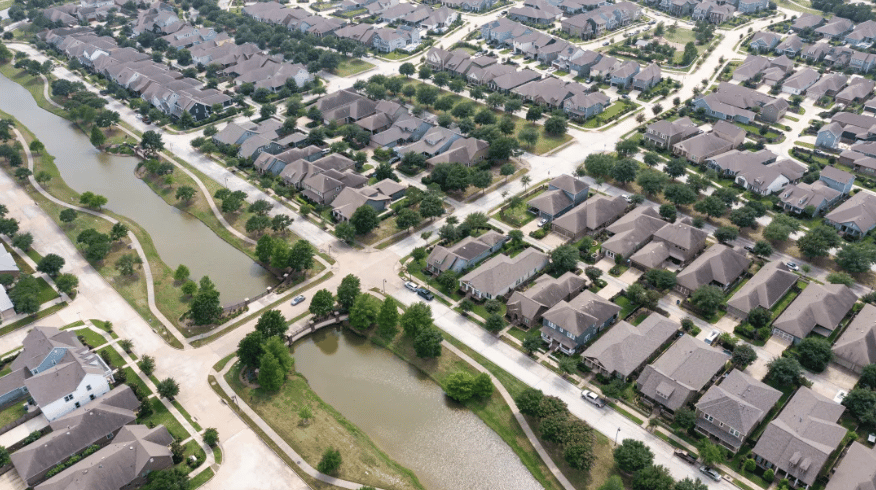
How this Cypress master-planned community is redefining modern suburban living.
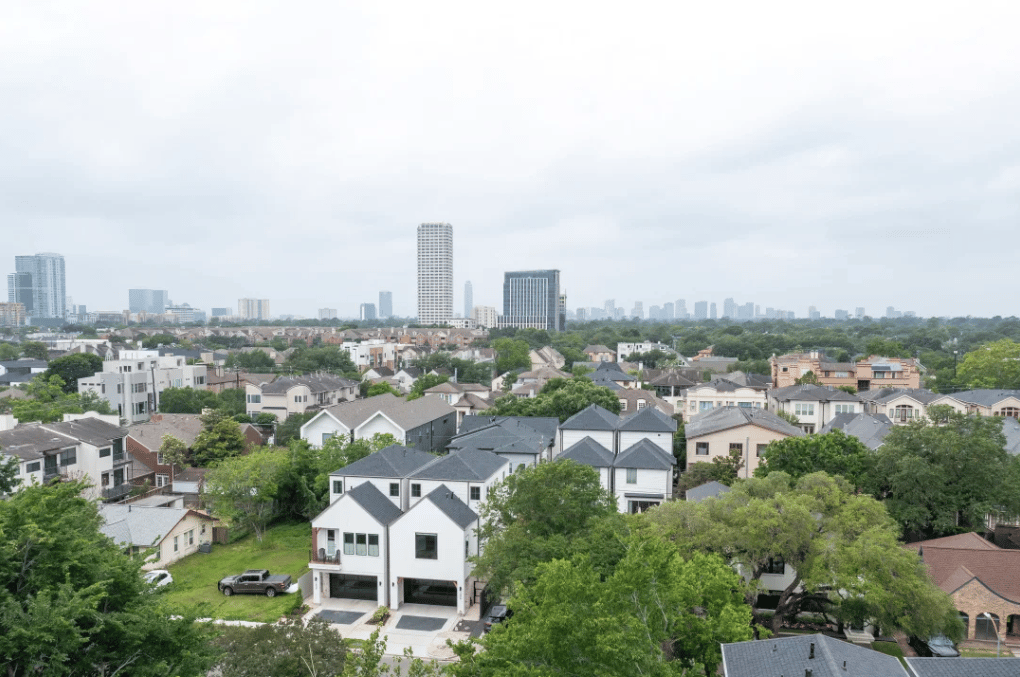
The story behind the city’s signature detached townhome boom.
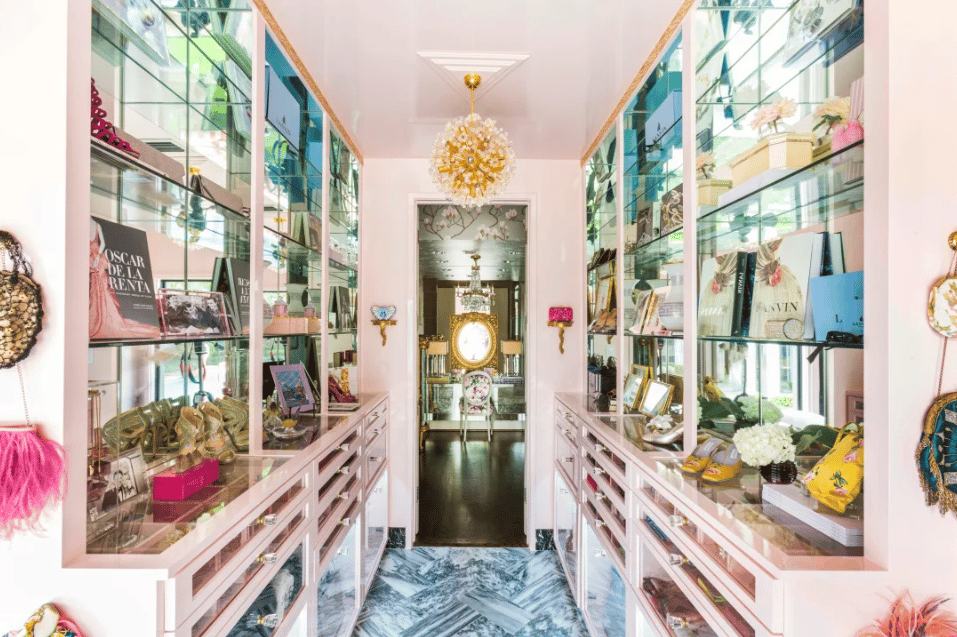
Today’s dressing rooms are blending storage, style, and comfort into one unforgettable space.
Historic land, modern homes, and wide-open Texas living.
As part of CB&A, Real Estate Agent, the Hurley Homes Realty Group consists of dedicated full-time agents assisting families with buying, selling, renting, and investing in Houston properties. Whether you're considering a home purchase or sale in Houston, I'm here to talk! Connect with me today for a personalized consultation.